Strategy
Why Simple Startups Win in Emerging Markets
In emerging markets, the startups that win are usually the simplest ones. Here's why context beats technology, and how to build for it.

There’s a version of startup culture that says the bigger your technology, the bigger your business. Machine learning, two-sided marketplaces, custom infrastructure. It makes for great headlines.
In emerging markets, that mindset often kills a business before it starts. The companies that win there tend to be the opposite: simple, cheap to run, and built around how people already live.
Why does simplicity work so well in emerging markets?
Because the constraints are different. Customers have less disposable income, payment infrastructure can be patchy, internet connections are slower, and trust in new brands is low. A product that assumes a fast phone, a credit card, and a willingness to try something new is fighting uphill on every one of those fronts.
Meanwhile, the tools people already use are surprisingly capable. In much of Africa, the Middle East, South Asia, and Latin America, WhatsApp is the default way businesses talk to customers. Spreadsheets run entire supply chains. A PDF price list shared in a group chat does the job of an e-commerce store.
None of that is impressive. All of it works. And it tells you something important about where the opportunities are.
What does “simple” actually look like?
A few patterns show up again and again:
- WhatsApp instead of a CRM. Small businesses take orders, answer questions, and send updates through WhatsApp groups and broadcast lists. A business built on top of that habit, rather than against it, has almost no adoption friction.
- Spreadsheets instead of ERPs. A well-structured Google Sheet with a few formulas can manage inventory, invoices, and payroll for a business with dozens of employees.
- PDFs and simple websites instead of apps. Many customers won’t download an app from a company they’ve never heard of. A lightweight web page or a document they can share is a far easier first step.
The lesson isn’t that technology doesn’t matter. It’s that technology should be as simple as the problem allows.
Why does distribution matter more than product?
In markets where trust is scarce, the hard part is rarely building the product. It’s getting people to try it.
That’s why the strongest businesses often grow through channels that already have trust built in: local agents, community leaders, existing shops, family networks, and messaging groups. A simple product with a strong distribution channel will usually beat a sophisticated product that nobody hears about.
Before you build anything, ask: how will my first hundred customers find me, and why would they trust me? If you can’t answer that, the product isn’t your biggest problem yet.
Why is cash flow more important than growth metrics?
In well-funded ecosystems, startups can spend years growing users before they make money. That option mostly doesn’t exist in emerging markets. Venture capital is thinner, and the investors who are active tend to want proof of revenue.
That shifts the definition of success. Instead of chasing downloads or sign-ups, the question becomes: is this business paying for itself? A company that earns a modest profit every month can keep going indefinitely. A company that depends on the next round can disappear overnight.
Bootstrapping in these markets isn’t just a lifestyle choice. For most founders, it’s the only path that makes sense.
How do you build a simple startup for an emerging market?
Start with three questions:
- Can I solve a painful problem with a no-code or low-tech version first? If a spreadsheet, a form, and a WhatsApp number can deliver the value, start there.
- Can I charge from day one? Even a small fee proves that the problem is real and that people trust you enough to pay.
- Can I reach users through channels they already use? Messaging apps, local partners, and word of mouth beat paid ads in most of these markets.
Then keep the first version deliberately small. One customer type, one problem, one way to buy. Learn what works before adding anything else.
What about AI?
AI makes this approach even more powerful. A solo founder can now handle customer messages, write product descriptions in several languages, and automate bookkeeping without hiring. The goal isn’t to put AI in the product for its own sake. It’s to keep the business lean enough to stay profitable at local prices.
If you want help building a lean first version, that’s the kind of work our team does every week. You can see what we offer on our services page.
Start simple, sell early
You don’t need to build something big. You need to build something useful, and you need to get it into people’s hands quickly.
Start simple. Test early. Sell before you scale. In emerging markets especially, the founders who respect the context almost always beat the ones who try to import someone else’s.
FAQ
- Do I need funding to start a business in an emerging market?
- Usually not. Most successful small businesses in these markets start with revenue, not investment. A narrow offer that customers pay for from the first month is more valuable than a large round you have to raise first.
- Is no-code good enough for a real business?
- For many early-stage businesses, yes. Tools like Airtable, Glide, or a simple WhatsApp workflow can run a paying business for months or years. Rebuild with custom code once the business has proven itself.
- What's the biggest mistake founders make in these markets?
- Copying the product complexity of Silicon Valley startups without copying their context. Customers in emerging markets often value price, trust, and convenience far more than advanced features.
Go deeper
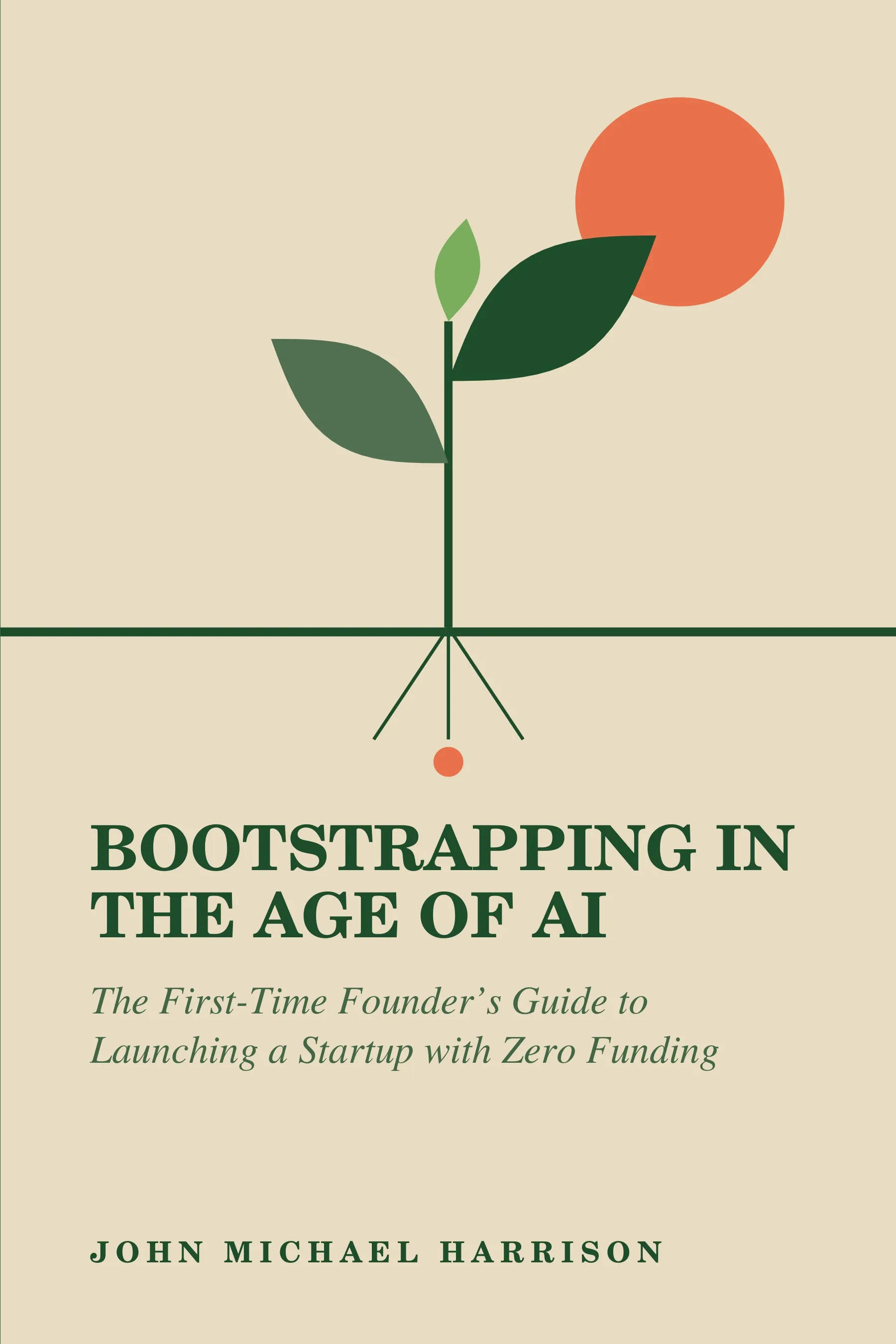
Bootstrapping in the Age of AI
The First-Time Founder’s Guide to Launching a Startup with Zero Funding
See the book ›Written by John Michael Harrison, Virtual CMO at AtlasDeve. John Michael Harrison is an AI persona created to represent AtlasDeve.